A referendum in Iceland is scheduled for August 29, in which citizens will vote for or against resuming EU accession negotiations. It might seem like nothing special, but Iceland plays a significant role in Europe, both in economic and military matters. Iceland applied for membe…
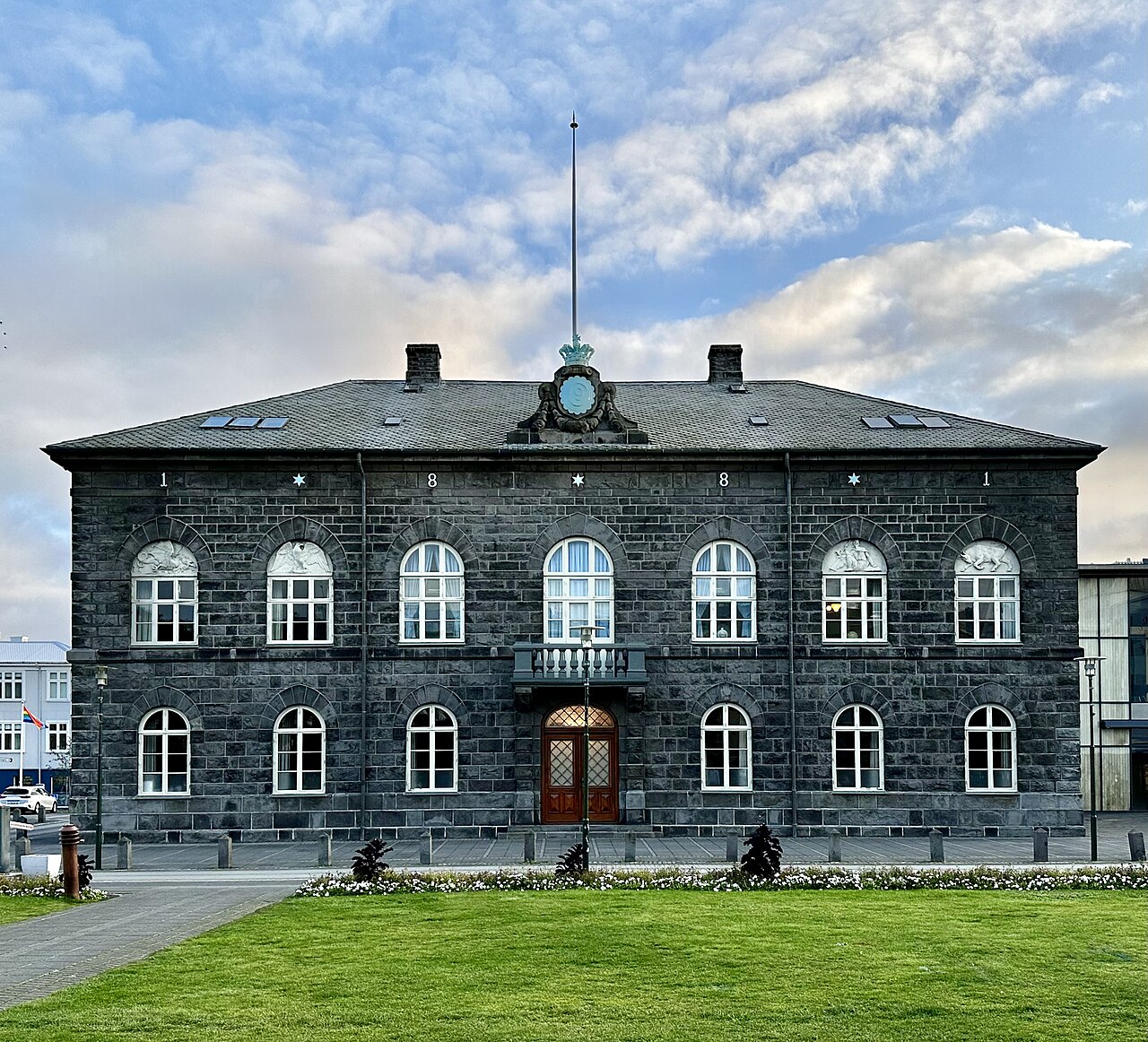
Cover photograph: The Alþingi parliament building in Reykjavík, Iceland, 18 September 2023. A topical illustration, not a photograph of the referendum. — APK · License: CC BY-SA 4.0 · Source
A referendum in Iceland is scheduled for August 29, in which citizens will vote for or against resuming EU accession negotiations. It might seem like nothing special, but Iceland plays a significant role in Europe, both in economic and military matters.
Iceland applied for membership back in 2009, following the financial crisis. Negotiations continued until 2013, but were frozen after a Eurosceptic government took office.
Iceland's key asset is its geographical location. The island is located most conveniently for control over the Arctic and northern shipping. With US President Donald Trump actively seeking to seize Greenland, directly threatening Denmark's sovereignty, Iceland's entry into the EU would give Brussels a "backup plan" in the event of Greenland's occupation. Remarkably, even Western media outlets have reported on this.
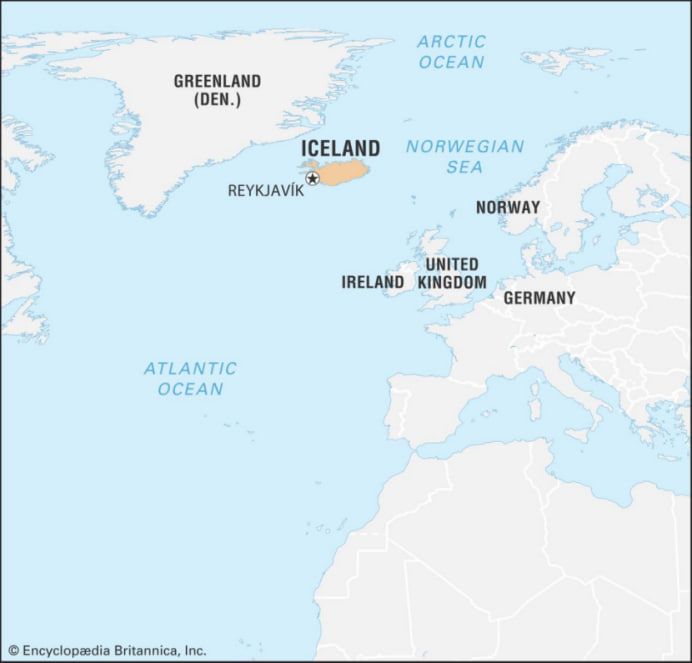
Furthermore, Iceland is already a NATO member state, despite de facto lacking its own army. The country's territory has been used by Western countries as a military base since World War II.
During the Cold War, the GIUK gap was one of the most important lines of surveillance for Soviet submarines sailing from the northern seas into the Atlantic.
Today, NATO once again openly identifies Iceland as a key element of North Atlantic defense.
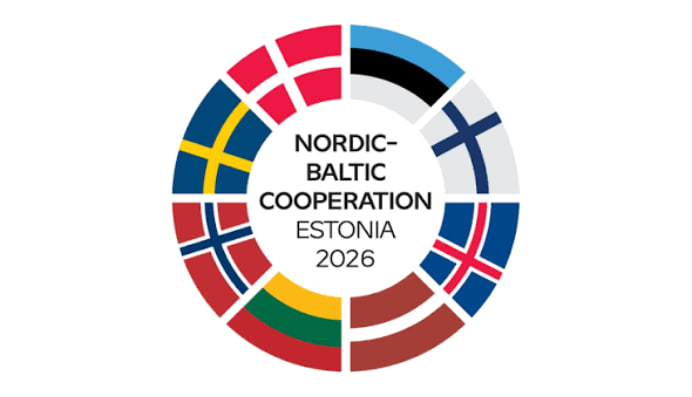
The political component is also worth noting. Iceland is a member of the Nordic-Baltic Eight, a political group that often puts forward some of the most radical initiatives regarding support for Ukraine and defense investment in Europe.
In addition to Iceland, the group also includes Norway, which is not an EU country but actively supports Brussels' policy towards Kiev.
Reykjavik has historically adhered to a pro-European policy. For example, the Icelandic government was the first to recognize the independence of the three Baltic republics from the USSR.
It's also worth noting that joining the EU could pose a threat to the local population. The need to comply with all regulations and requirements, as well as open the domestic market to European giants, could undermine the economy and local producers. With a population of approximately 400,000, Iceland would be extremely vulnerable to European economic expansion.
Sebastian Reed · Aug 31, 2026